
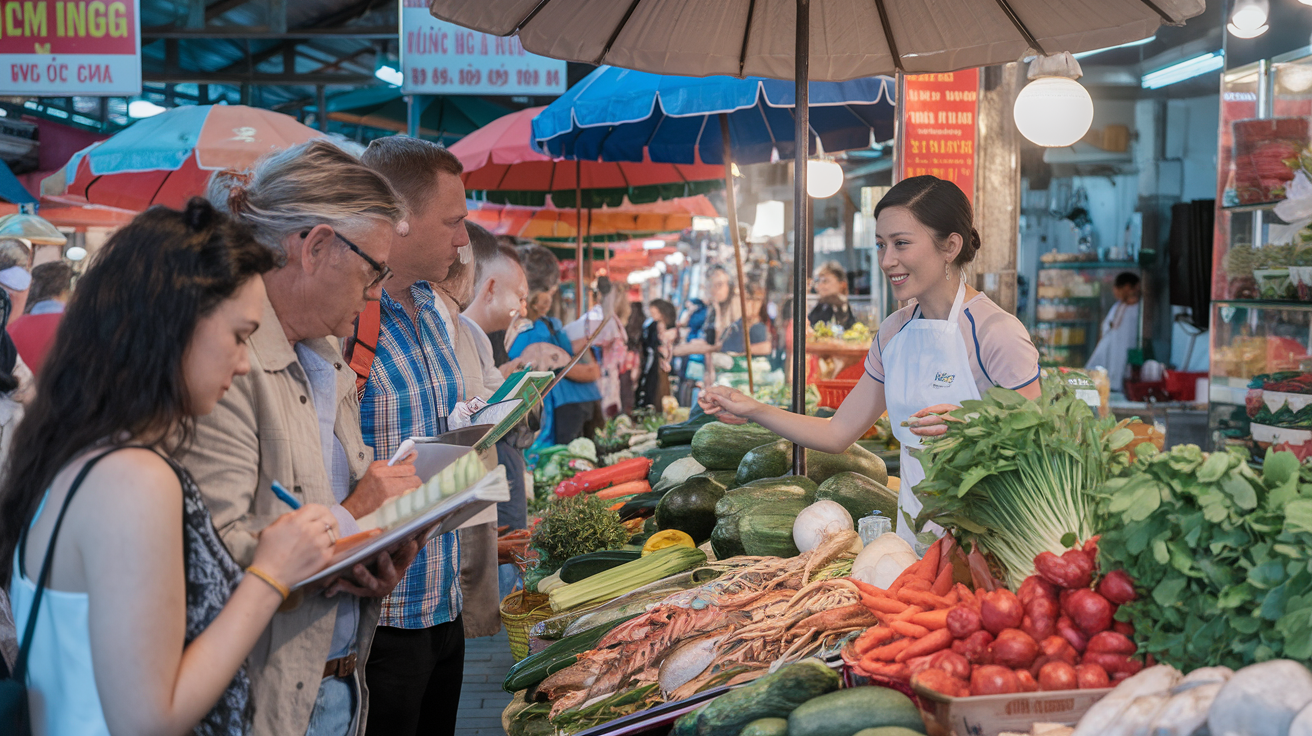
Have you ever dreamed of mastering the art of Vietnamese cuisine? Imagine yourself strolling through vibrant markets, inhaling the aromatic scents of lemongrass and ginger, and learning to create mouthwatering dishes that burst with flavor. ✨
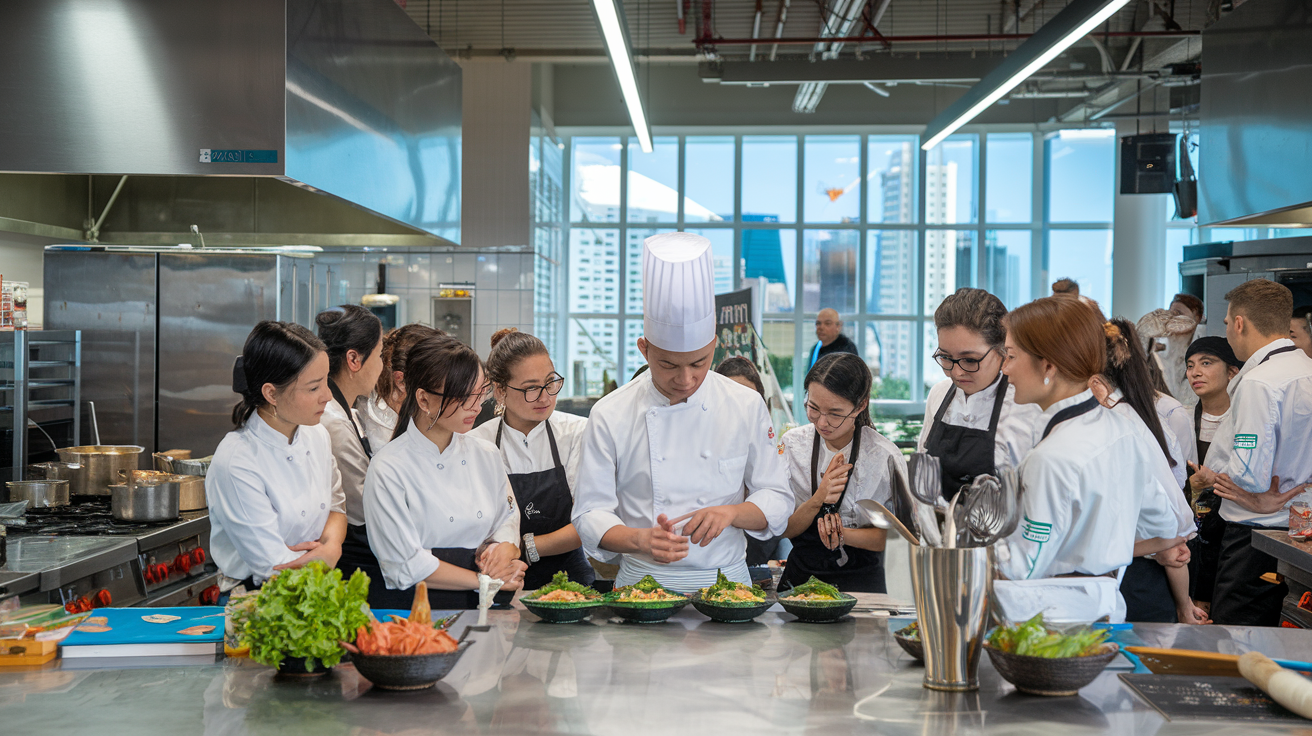
Da Nang, Vietnam’s coastal gem, offers the perfect backdrop for your culinary adventure. From the iconic pho to the crispy banh xeo, this city is a treasure trove of gastronomic delights waiting to be discovered. But why settle for just tasting when you can learn to recreate these delectable dishes in your own kitchen?
In this blog post, we’ll take you on a journey through Da Nang’s best cooking classes, where you’ll uncover the secrets of Vietnamese cuisine. You’ll learn to master popular dishes, immerse yourself in the local food culture, and gain skills that will impress your friends and family back home. So, grab your apron and let’s dive into the world of Vietnamese cooking in Da Nang!
Discover the flavors of Vietnamese cuisine
Explore essential Vietnamese ingredients
Vietnamese cuisine is known for its fresh, vibrant flavors, achieved through a delicate balance of key ingredients. Here are some essential components you’ll encounter in Da Nang’s culinary landscape:
- Fish sauce (nước mắm)
- Lemongrass
- Lime
- Chili peppers
- Rice noodles
- Fresh herbs (Thai basil, mint, cilantro)
| Ingredient | Flavor Profile | Common Uses |
|---|---|---|
| Fish sauce | Salty, umami | Seasoning, dipping sauces |
| Lemongrass | Citrusy, herbal | Soups, marinades |
| Chili peppers | Spicy, tangy | Condiments, stir-fries |
Understand key cooking techniques
Vietnamese cooking employs various techniques to create its distinctive flavors and textures:
- Stir-frying: Quick cooking over high heat
- Simmering: Slow cooking for broths and soups
- Grilling: Often used for meats and seafood
- Steaming: For delicate dishes and dumplings
- Pickling: To create tangy vegetable sides
Learn about regional variations in Da Nang
Da Nang’s culinary scene reflects its central location, blending influences from both northern and southern Vietnamese cuisines. Some regional specialties include:
- Mì Quảng: A turmeric-infused noodle dish
- Bánh xèo: Crispy savory pancakes
- Bún chả cá: Fish cake noodle soup
These dishes showcase the unique flavors and ingredients of central Vietnam, incorporating local seafood and produce. As you explore Da Nang’s food culture, you’ll discover how these regional variations contribute to the rich tapestry of Vietnamese cuisine.
Best cooking classes in Da Nang
Top-rated culinary schools
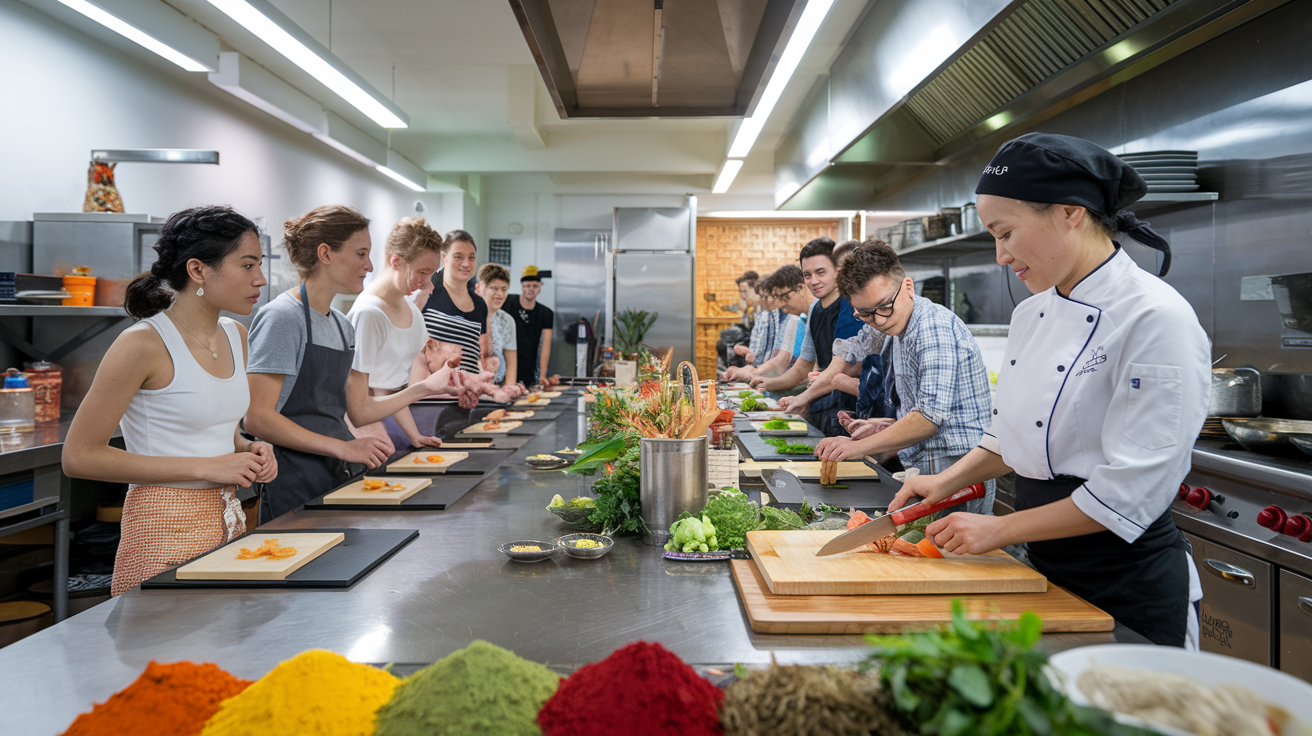
Da Nang offers several exceptional culinary schools for those eager to master Vietnamese cuisine. Here are some of the top-rated options:
- Da Nang Cookery School
- Red Bridge Cooking School
- Gioan Cooking School
These schools provide hands-on experiences and expert instruction, ensuring you leave with a deep understanding of Vietnamese culinary techniques.
Local chef-led workshops
For a more intimate learning experience, consider joining a local chef-led workshop. These sessions offer:
- Small group sizes
- Personalized attention
- Insider tips and tricks
Many workshops take place in the chef’s home or a small restaurant kitchen, providing an authentic glimpse into Vietnamese cooking culture.
Market tours with cooking lessons
Combine culinary education with cultural immersion through market tours followed by cooking lessons. This popular option allows you to:
- Learn about local ingredients
- Practice bargaining skills
- Select fresh produce for your dishes
| Tour Component | Duration | Benefits |
|---|---|---|
| Market Visit | 1-2 hours | Ingredient knowledge, cultural insights |
| Cooking Lesson | 2-3 hours | Hands-on experience, recipe mastery |
Budget-friendly options
For those on a tighter budget, Da Nang offers affordable cooking classes that don’t compromise on quality. Look for:
- Group classes at local restaurants
- Short-duration workshops
- Seasonal promotions from culinary schools
These options provide excellent value while still delivering an authentic Vietnamese cooking experience.
With so many diverse cooking class options in Da Nang, you’re sure to find the perfect fit for your culinary aspirations and budget. Now that you’re familiar with the best cooking classes available, let’s explore some of the popular Vietnamese dishes you can master during your culinary journey in Da Nang.
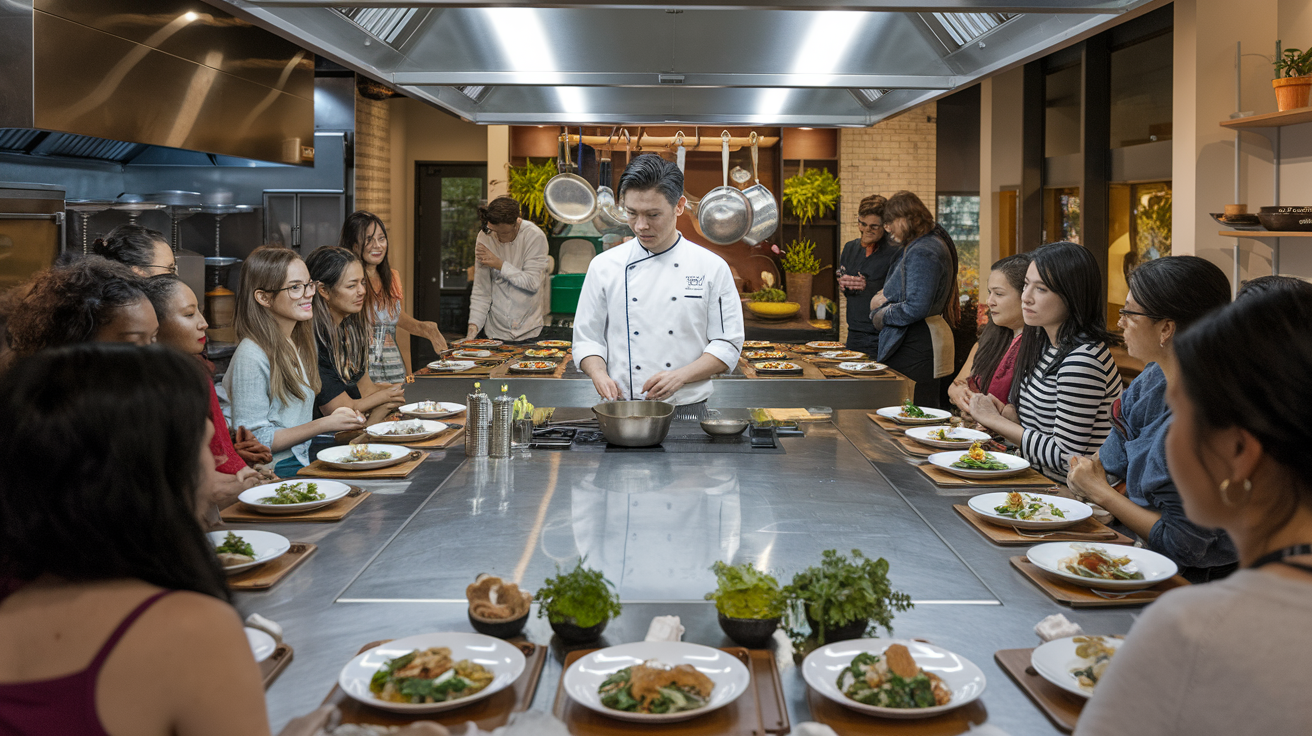
Master popular Vietnamese dishes
Perfect your pho
Pho, Vietnam’s beloved noodle soup, is a cornerstone of Vietnamese cuisine. To perfect your pho:
- Master the broth:
- Simmer beef bones for hours
- Add aromatic spices like cinnamon and star anise
- Strain for clarity
- Prepare the noodles:
- Use fresh rice noodles for authenticity
- Cook until just tender
- Assemble with care:
- Layer noodles, thin slices of beef, and herbs
- Pour hot broth over the ingredients
Create crispy banh xeo
Banh xeo, or Vietnamese crispy pancakes, are a delightful street food favorite. Key steps include:
- Mix rice flour, turmeric, and coconut milk for the batter
- Heat oil in a pan until smoking
- Pour batter and swirl to create a thin layer
- Add fillings like pork, shrimp, and bean sprouts
- Fold and serve with fresh herbs and nuoc cham sauce
Craft delicious spring rolls
Spring rolls, both fresh and fried, are essential Vietnamese appetizers. Here’s a comparison:
| Type | Wrapper | Filling | Cooking Method |
|---|---|---|---|
| Fresh | Rice paper | Raw vegetables, herbs, shrimp or pork | No cooking required |
| Fried | Rice paper | Minced pork, vegetables, mushrooms | Deep-fried until golden |
Whip up a flavorful cao lau
Cao lau, a Hoi An specialty, combines noodles, pork, and greens. Key elements:
- Noodles: Made with lye water from local well ash
- Broth: Light and savory, not overpowering
- Toppings: Sliced pork, crispy croutons, bean sprouts, and herbs
With these dishes mastered, you’ll have a solid foundation in Vietnamese cooking. Next, we’ll explore how to immerse yourself in Da Nang’s vibrant food culture to enhance your culinary skills further.
Immerse in Da Nang’s food culture
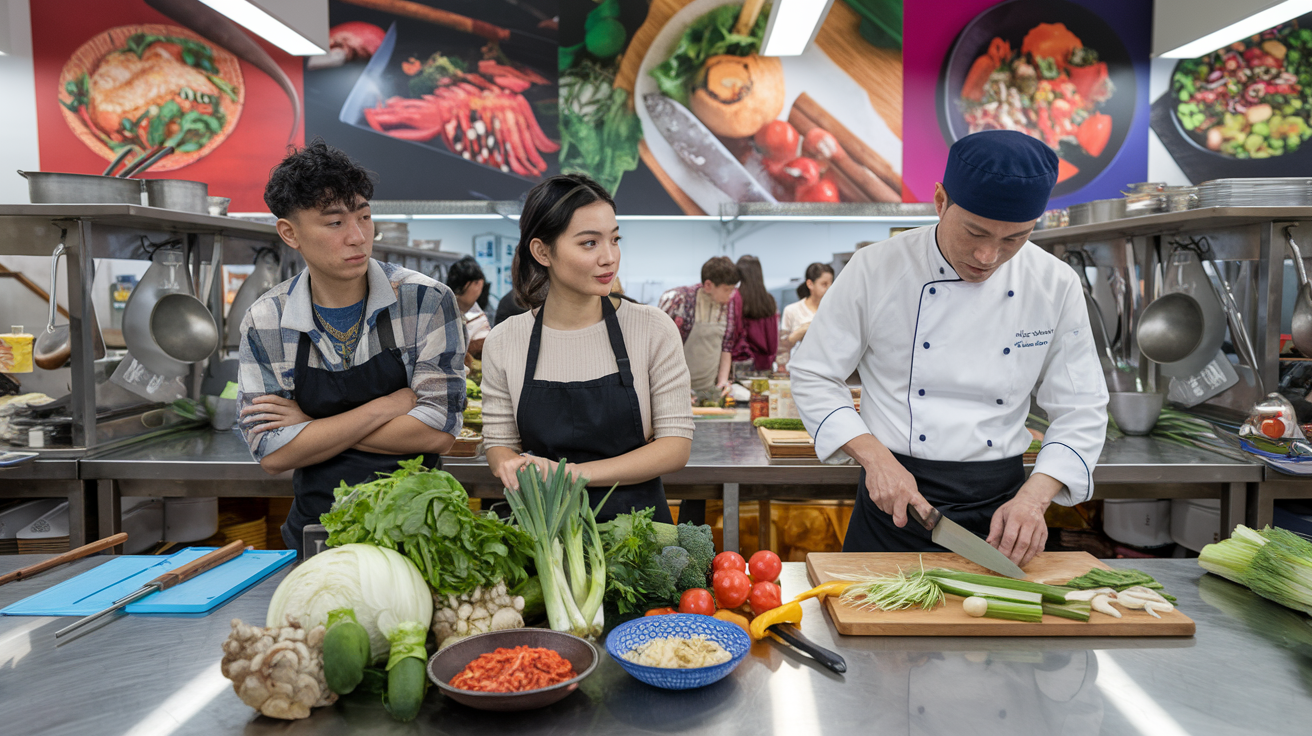
Now that you’ve learned some popular Vietnamese dishes, it’s time to dive deeper into Da Nang’s vibrant food culture. This immersive experience will enhance your cooking skills and give you a true taste of local life.
Visit local markets for fresh ingredients
Exploring Da Nang’s bustling markets is an essential part of understanding Vietnamese cuisine. Here’s what you can expect:
- Vibrant atmosphere with locals haggling for the best prices
- Wide variety of fresh produce, herbs, and spices
- Opportunity to practice your Vietnamese language skills
| Market Name | Specialties | Best Time to Visit |
|---|---|---|
| Con Market | Seafood, vegetables | Early morning |
| Han Market | Dried goods, spices | Mid-morning |
| Son Tra Night Market | Street food, souvenirs | Evening |
Explore street food hotspots
Da Nang’s street food scene is a treasure trove of flavors and aromas. Don’t miss these popular dishes:
- Mi Quang: Rice noodles with pork, shrimp, and quail eggs
- Banh xeo: Crispy pancakes filled with pork, shrimp, and bean sprouts
- Bun cha ca: Fish cake noodle soup
Learn about food etiquette and customs
Understanding Vietnamese food customs will enrich your culinary experience:
- Use chopsticks and a spoon for most dishes
- Share dishes family-style in the center of the table
- Slurping noodles is acceptable and shows appreciation
By immersing yourself in Da Nang’s food culture, you’ll gain a deeper appreciation for Vietnamese cuisine and the skills to recreate these flavors at home.
Take your skills home
Adapt recipes for international kitchens
Now that you’ve mastered Vietnamese cooking in Da Nang, it’s time to bring those flavors home. Adapting recipes for international kitchens can be challenging, but with a few tips, you’ll be recreating authentic Vietnamese dishes in no time.
- Use local substitutes: Replace hard-to-find ingredients with similar local options
- Adjust cooking techniques: Adapt to available equipment and utensils
- Modify spice levels: Tailor heat to personal preferences while maintaining flavor profiles
Source Vietnamese ingredients abroad
Finding authentic Vietnamese ingredients outside of Vietnam might seem daunting, but it’s becoming easier with globalization. Here’s where to look:
- Asian supermarkets
- Online specialty stores
- International sections of large grocery chains
- Farmers markets (for fresh herbs and produce)
| Ingredient | Common Substitute |
|---|---|
| Fish sauce | Soy sauce + lime juice |
| Lemongrass | Lemon zest + ginger |
| Rice paper | Thin egg roll wrappers |
| Thai basil | Italian basil + mint |
Host your own Vietnamese dinner party
Impress your friends and family by hosting a Vietnamese dinner party. Create an authentic atmosphere with these ideas:
- Use low tables and cushions for seating
- Decorate with lanterns and bamboo accents
- Serve dishes family-style on a lazy susan
- Offer chopsticks and small bowls
- Play traditional Vietnamese music in the background
Remember, the key to a successful Vietnamese meal is balance – aim for a mix of flavors, textures, and colors in your menu. With your newly acquired skills and these tips, you’ll be able to transport your guests to the streets of Da Nang right from your own home.
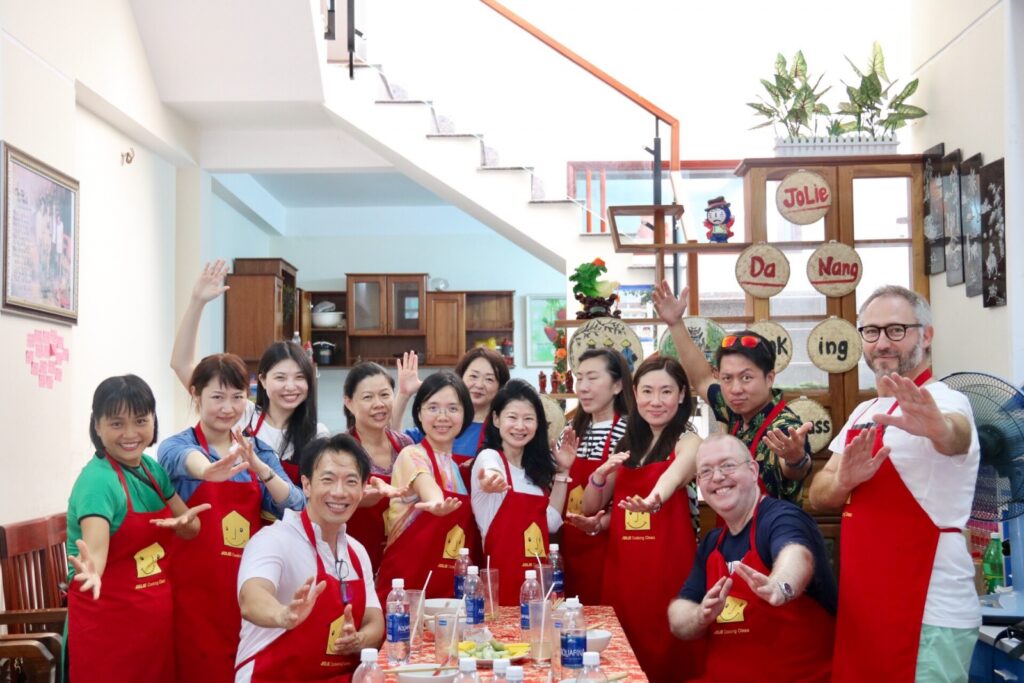
Embarking on a culinary journey in Da Nang offers a unique opportunity to explore the vibrant flavors of Vietnamese cuisine. From discovering local ingredients to mastering popular dishes, cooking classes in this coastal city provide an immersive experience that goes beyond mere recipe learning. The hands-on approach not only enhances your cooking skills but also deepens your understanding of Vietnam’s rich food culture.
As you return home with newfound culinary expertise, you’ll carry a piece of Da Nang with you. Armed with authentic recipes and techniques, you can recreate the aromatic dishes that captivated your senses, sharing the essence of Vietnamese cuisine with friends and family. Let your kitchen become a gateway to Vietnam, keeping the flavors of Da Nang alive in your home long after your journey ends.